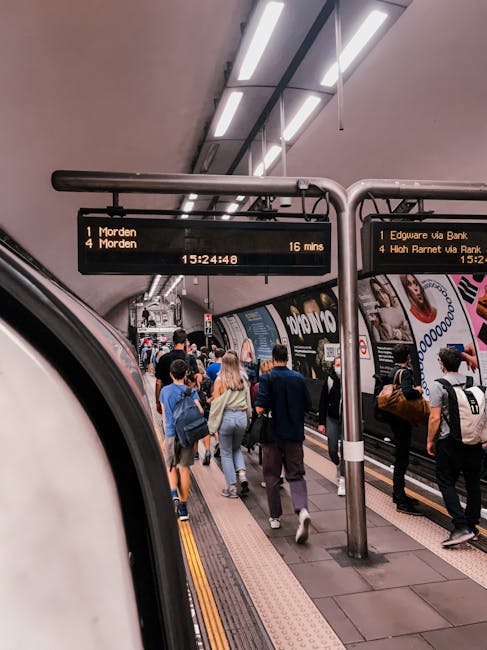
High Barnet station removals and parking tips
If you are planning a move near High Barnet station, the two things that usually make or break the day are access and parking. That sounds a bit obvious, but in practice it is where a smooth move turns into a slow, stressful one. High Barnet station removals and parking tips are really about getting the vehicle in the right place, keeping the lift-out short, and avoiding the classic London headache of circling the block with a van full of furniture. Nobody wants that. Not at 8 a.m., not ever.
This guide pulls together the practical side of moving near the station: what to expect, how to plan loading space, how to reduce delays, and how to choose the right moving setup for homes, flats, student lets, and small business moves. It also covers realistic parking strategies, the sort of things that get overlooked until the day itself. If you want a calmer, more organised move, you are in the right place.
Table of Contents
- Why High Barnet station removals and parking tips matters
- How High Barnet station removals and parking tips works
- Key benefits and practical advantages
- Who this is for and when it makes sense
- Step-by-step guidance
- Expert tips for better results
- Common mistakes to avoid
- Tools, resources and recommendations
- Law, compliance, standards, or best practice
- Options, methods, or comparison table
- Case study or real-world example
- Practical checklist
- Conclusion
- Frequently Asked Questions
Why High Barnet station removals and parking tips Matters
High Barnet station sits in a busy part of north London, where roads can feel tight, parking is limited, and a small delay tends to snowball. If your mover cannot get close enough to the front door, the time and physical effort increase fast. That means extra carrying, more chances of damage, and a move that drags on longer than it should.
The location matters for another reason too: station-adjacent streets often have a mix of residents, commuters, deliveries, and short-stay traffic. So even when a space looks available, it may not be practical for a removals vehicle. You need to think like a mover, not just a driver. Where will the van stop? Can the crew unload safely? Is there room to open doors without blocking traffic or footpaths?
For flats, maisonettes, and terraced homes near the station, the difference between good and poor parking planning can be huge. A van parked 20 metres away may sound fine on paper. On moving day, with boxes, wardrobe rails, and a sofa, it can feel like a mile. Truth be told, the easiest moves are the ones where the parking plan is sorted before the first box leaves the hallway.
Expert summary: Near High Barnet station, the best removals are the ones that minimise distance, avoid last-minute parking searches, and keep unloading simple. Shorter carry distance usually means lower stress, less handling, and fewer surprises.
How High Barnet station removals and parking tips Works
At a practical level, a station-area move works best when you treat parking as part of the removal plan, not as an afterthought. The van, the access route, and the property layout all need to line up. If one piece is off, the whole rhythm changes.
Here is the basic flow most people should follow:
- Check the exact property access, including front steps, alleyways, shared entrances, and any gate or barrier issues.
- Identify the nearest realistic loading point for a van, not just the nearest available curb space.
- Build in time for parking changes, especially if the road is used heavily in the morning or late afternoon.
- Prepare items so the crew can work continuously once they arrive.
- Keep a short walk from van to door wherever possible.
If your move involves a flat, use the same thinking but add stairs, lifts, and communal halls. In a station area, a lift can save time, but only if it is available and large enough for your items. Old habits die hard here: many people assume the "closest space" is automatically the best space. It often isn't.
For larger moves, a professional removals team may use a removal van, a bigger vehicle, or a broader service setup depending on how much you are moving. The practical question is not only "what vehicle?" but "what can the street actually handle?" That's where local awareness helps.
It also makes sense to line up related moving services early. If you need packing and boxes before the move, or want a simpler household transition through home moves, the parking plan should match the schedule, not fight it.
Key Benefits and Practical Advantages
Good station-side removals planning is not glamorous. But it pays off in ways people notice immediately on moving day.
- Shorter loading times: A closer van position means faster carrying and fewer trips.
- Less risk of damage: Heavy furniture is easier to manage when the route is short and direct.
- Lower stress: You are not trying to solve parking while the clock is running.
- Better coordination: Everyone knows where to go, where to stand, and what happens next.
- Safer handling: Fewer long carries reduce strain on backs, shoulders, and hands.
There is also a money angle, even if people do not always say it out loud. If a move runs over because the vehicle cannot get near the property, you may end up paying for extra time. You may also need more labour than expected. A tidy parking plan can be one of the easiest ways to avoid that. Not exciting, but useful. Very useful.
For commercial clients, the same logic applies. If you are relocating a small office near the station, a practical loading spot matters just as much as desks and boxes. In that case, it may be worth looking at office removals or commercial moves early, especially if you need to keep disruption low during business hours.
If your move is smaller and you simply need flexible help, a man and van arrangement can be a sensible fit. It is often the sort of setup people choose when they want practicality more than ceremony, which, let's face it, is most of us on moving day.
Who This Is For and When It Makes Sense
This topic matters to a wide mix of people, and the details change depending on what kind of move you are making.
Home movers
If you are moving house or shifting between flats near the station, parking is often the main pressure point. You may be dealing with narrow roads, limited waiting space, and awkward stair access. If you need a fuller service for family moving, house removals and house removalists are worth considering where the move is too much for a DIY approach.
Flat and apartment movers
Station areas often have flats, converted houses, and smaller access points. If that sounds like your situation, flat removals can be the better fit because they are usually planned around compact access and careful handling.
Students
Students moving in or out around term dates often have a tight timetable and a lot of bagged items, boxed books, and last-minute changes. If that is you, student removals can help keep the day manageable, especially when parking and lift access are both tight.
Businesses and offices
If you are moving a workspace, even a small one, you will need to think about delivery windows, building access, and whether a van can pause outside long enough to load. A service like office relocation services or office removals can make more sense than trying to improvise.
People with bulky or specialist items
Pianos, large wardrobes, and heavy furniture need more care. In those cases, both parking and vehicle positioning become even more important. A service such as piano removals can reduce risk, because the vehicle, crew, and loading method are chosen with that item in mind.
Step-by-Step Guidance
Here is a simple way to plan a High Barnet station move without losing the plot halfway through.
- Walk the route first. Stand at the property entrance and look at the path a sofa, mattress, or stack of boxes will need to travel. Notice bumps, steps, narrow gates, and parked cars.
- Find the best loading point. Do not just guess. Pick the place where a van can stop safely, doors can open, and the crew can move efficiently.
- Check the timing. Morning traffic, school runs, and commuter movement can all affect the road near the station. If you can move outside peak pressure, do it.
- Prepare the property. Clear corridors, disconnect items safely, and gather boxes together near the exit. This sounds obvious, but it saves time in a way you can feel.
- Keep essentials separate. Put keys, chargers, kettle items, and documents in one easy-to-find bag.
- Confirm vehicle size. If the road is tight, a smaller vehicle may be better than a larger one, even if the load is substantial.
- Plan for the unexpected. A van bay taken by another vehicle, a locked gate, or a lift out of service can all happen. Build in a buffer.
One practical trick: if you are moving into a flat near the station, try to have a person inside the property and one outside when the van arrives. It sounds minor, but it keeps the handover moving. No one likes standing around in the drizzle with a box of pans while trying to ring a buzzer repeatedly.
If your move is fast-moving and time-sensitive, same day removals may be useful. That said, same-day work and station parking rarely mix well without advance planning, so do not leave everything to the last minute if you can help it.
Expert Tips for Better Results
These are the small adjustments that make a big difference.
- Use the shortest sensible carry route. Even if a space is technically legal, another space slightly further along may be easier for unloading.
- Pre-sort items by room. It helps the team unload in order rather than guessing where everything goes.
- Protect high-traffic corners. Hallways and doorframes suffer most during removals. A bit of padding goes a long way.
- Label by priority, not just by room. Mark "open first" items clearly so they do not disappear into the stack.
- Watch for local bottlenecks. A narrow bend, a busier junction, or a street with regular stop-start traffic can be more limiting than the property itself.
If you are moving furniture, especially larger pieces, consider whether anything should be taken apart before moving day. A furniture removals service is often smoother when bulky items are reduced to easier parts. Same with storage: if the new property is not ready, storage can buy breathing room and avoid trying to rush everything through a cramped access point.
And a small human note: on a wet Tuesday at 7:30 a.m., a loading plan that looked fine the night before can suddenly feel like a puzzle. That is normal. The trick is not perfection. It is preparation.
Common Mistakes to Avoid
Most moving problems near station areas come from a handful of repeat mistakes. The good news? They are usually avoidable.
- Assuming there will be parking outside the door. That is the classic one. Never rely on hope.
- Ignoring building access restrictions. Some flats have entry codes, timed access, or narrow communal areas that slow everything down.
- Booking a vehicle that is too large for the street. Bigger is not always better in a tight London setting.
- Leaving packing until the last evening. The first hour of a move should be calm, not a panic session with tape and scissors.
- Forgetting about parking enforcement or permits. Even when you think you have a workable spot, you still need to make sure it is genuinely usable.
- Not telling the removals team about stairs, lifts, or awkward access. Surprises at the door slow everyone down.
There is also a more subtle mistake: underestimating how long the load-out will take if the van is even slightly away from the property. Two trips across a road can become six. Then eight. Then somebody says, "I thought this would be quicker," and, well, yes, that is usually how it starts.
Tools, Resources and Recommendations
You do not need specialist software to move well, but a few simple tools help enormously.
- Measuring tape: Useful for checking doorways, lifts, and bulky furniture dimensions.
- Notebook or moving checklist: Handy for tracking boxes, keys, and final tasks.
- Marker pens and labels: Make room-by-room unloading easier.
- Protective covers: Helpful for mattresses, sofas, and anything prone to scuffs.
- Basic toolkit: Good for beds, shelves, and small assembly jobs.
In terms of services, the best recommendation is to match the job size to the job type. A smaller local move may suit man with van support, while heavier loads or more complex logistics can justify a larger moving truck or a broader removal services package.
If you are comparing providers, check more than price. Look at clarity, communication, insurance, and the way they talk about access problems. A company that asks sensible questions before the move is usually thinking about the day properly. That matters more than a flashy pitch.
For peace of mind on safety and handling, it is also sensible to review the company's insurance and safety information and its health and safety policy. Those pages are not exciting reading, but they tell you a lot about how a move will be handled in practice.
Law, Compliance, Standards, or Best Practice
For most people, the key compliance question is not a single dramatic rule; it is whether the move is being carried out safely, sensibly, and without causing avoidable obstruction. In the UK, good practice around moving vehicles usually means paying attention to road safety, building access rules, loading behaviour, and any site-specific restrictions that apply to your property.
If you are moving on a residential street near a station, it is wise to think carefully about whether your chosen loading spot blocks traffic, crosses a dropped kerb, or interferes with pedestrians. If in doubt, plan conservatively. A little extra walking is better than a blocked entrance and a stressed-out neighbour. Nobody needs that on a moving day.
For business or higher-risk moves, clear communication matters. The crew should know about fragile items, shared entrances, narrow stairs, or anything that might change the risk picture. And the customer should know what to expect too. Good practice is simple really: no surprises, no improvising, no unsafe lifting just to save thirty seconds.
It is also sensible to read the provider's terms and conditions and payment and security information before booking. These details are often overlooked until the last minute, which is a shame because they help set expectations clearly.
Options, Methods, or Comparison Table
Different move types near High Barnet station call for different approaches. Here is a simple comparison to help you think it through.
| Move type | Best vehicle/setup | Parking priority | Best for |
|---|---|---|---|
| Small flat move | Compact removal van or man and van | Very high | Short carry distances, faster unloading, fewer items |
| Family house move | Full removal service or larger vehicle | High | Multiple rooms, bulky furniture, layered loading |
| Student move | Man with van or small van | High | Boxes, bags, and flexible timing |
| Office move | Office removals or commercial setup | High | Desks, files, IT equipment, time-sensitive access |
| Bulky item move | Specialist handling, possibly piano or furniture service | Very high | Heavy, fragile, or awkward items |
The right choice is not always the biggest vehicle. In a station area, a slightly smaller van with a smarter parking plan can beat a large truck that cannot get anywhere near the entrance. That is one of those practical truths people only learn once.
Case Study or Real-World Example
Here is a realistic example. A couple moving from a flat not far from High Barnet station had a fairly ordinary load: bedroom furniture, kitchen boxes, a few fragile items, and a sofa. On paper, it looked like a straightforward half-day move. The issue was parking.
The first plan was to stop directly outside the building, but that space was often occupied during the morning. Instead of forcing it, the move was planned around an earlier arrival and a slightly different loading point that still kept the carry manageable. The team used trolleys where sensible, padded the key furniture edges, and kept the hallway clear. It was not dramatic. Just organised.
The result? Fewer back-and-forth trips, less time spent waiting around, and no awkward last-minute scramble. The couple later said the small planning changes were what made the biggest difference. That fits with what we see time and again: the move itself is rarely the problem. It is the access around it.
To make a similar move easier, many people combine a move with packing and unpacking services or choose a more structured service such as removals. If the day is already full enough, that extra support can be a relief.
Practical Checklist
Use this checklist a day or two before the move.
- Confirm the moving date and arrival time.
- Check access at the property, including gates, stairs, and lifts.
- Identify the most practical loading point near the station area.
- Tell the removals team about narrow roads or parking limitations.
- Pack essential items separately for immediate access.
- Label boxes by room and priority.
- Protect fragile items and disassemble large furniture where needed.
- Keep keys, paperwork, and charging cables together.
- Make sure the van route is clear of obstacles.
- Review any building instructions or resident access rules.
If you are moving a smaller load and want flexibility, man with a van can be a neat solution. If you need more formal moving support, a broader removal companies comparison may be sensible. And if your move is tied to a timeline, you can always start with pricing and quotes to see what fits your budget and schedule.
Conclusion
High Barnet station removals and parking tips are really about one thing: making the day easier before it begins. A good parking plan shortens the carry, protects your belongings, and keeps everyone calmer. Near a busy station, that is not a small detail. It is the detail.
If you take anything from this guide, let it be this: walk the route, think about the van position, and prepare for access problems before they appear. You do not need a perfect move. You need a sensible one. That is usually enough.
Get a free quote today and see how much you can save.
And if you are still weighing up the logistics, take your time, ask the practical questions, and choose the option that makes the move feel steady. A little calm at the planning stage goes a long way on the day itself.
Frequently Asked Questions
What is the best parking strategy for removals near High Barnet station?
The best strategy is usually the one that gets the van as close as possible while still leaving a safe and workable loading position. Prioritise short carry distance, clear access, and enough space for the crew to move furniture without blocking the road or footpath.
Should I choose a small van or a larger removals vehicle?
It depends on the street and the amount you are moving. In tighter station-area roads, a smaller van can be easier to park and often faster overall. A larger vehicle may suit bigger house moves, but only if access is realistic.
Do I need to arrange parking in advance?
Often, yes, at least in the sense of having a clear plan. Even if you are not booking a formal bay, you should know where the vehicle can stop, how long it can stay, and what the backup option is if the first spot is taken.
How early should I start packing for a move near the station?
Ideally, start earlier than you think you need to. Packing the night before is rarely enough unless you are moving very lightly. A few days of gradual packing makes moving day much less chaotic.
What if the van cannot park right outside my property?
Then the move is still possible, but the team will need to carry items further. That adds time and effort, so it is better to plan for the nearest practical loading point rather than assume the front door space will be free.
Are station-area flat moves more difficult than house moves?
They can be, mainly because of stairs, lifts, communal entrances, and parking limitations. That said, a well-planned flat move can still be smooth. The key is access planning, not just the number of items.
Can I use a man and van service for a move near High Barnet station?
Yes, absolutely, if the size of the move suits it. A man and van or man with van setup works well for many smaller or medium-sized moves, especially where flexibility matters.
Is insurance important for removals?
Yes. You should always check that the provider explains its insurance and safety arrangements clearly. It is one of the simplest ways to understand how the company handles risk and protects your belongings.
What if I need storage between moving out and moving in?
Then storage can be a very practical bridge. It reduces pressure on the moving day and gives you time if keys, cleaning, or handover dates do not line up perfectly.
Are same-day removals a good idea near the station?
They can be, but only if the access plan is realistic. Same-day moves are much easier when parking, lift access, and packing are already under control. If not, the day can feel rushed very quickly.
What should I ask before booking a removals company?
Ask about vehicle size, access planning, insurance, timing, and what happens if parking is difficult. Those questions sound basic, but they reveal whether the provider has really thought through your move.
How can I make a furniture move easier around High Barnet station?
Break down items where possible, protect corners, and keep a clear route from the property to the van. If the furniture is large or awkward, a dedicated service such as furniture removals can save a lot of hassle.